

Introduction
In the complex system of automobile manufacturing, steel is not only a basic raw material but also the core key to achieving a balance between safety, lightweight design, performance, and cost. From sturdy body-in-white structures to high-speed operating internal engine components, each type of special steel is precisely engineered to meet extreme and differentiated application requirements. Our full range of automotive steel solutions strictly adhere to international standards (such as ISO, GB, SAE, ASTM) and collaborate with leading global automakers and first-tier suppliers to drive the evolution of the automotive industry together.
Advantages & Key Features
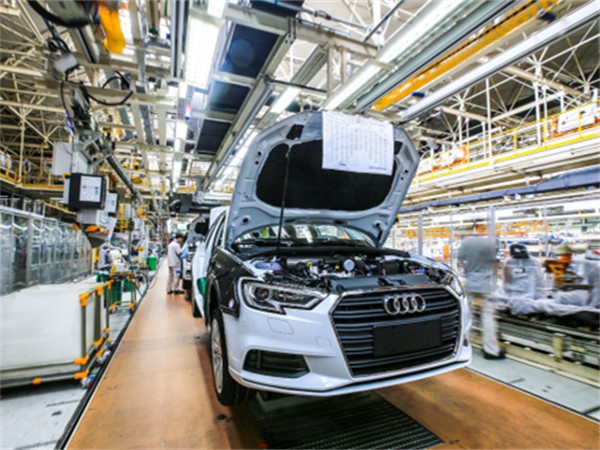
Extreme safety and structural integrity
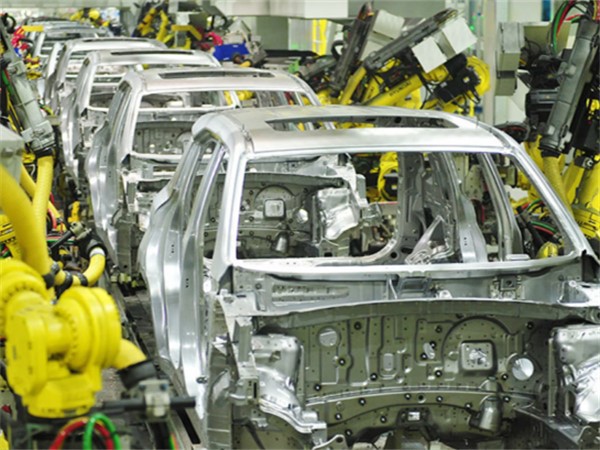
- Collision energy management: steel with different strength is applied in different areas of the car body through multi-material combination strategy. High-strength steel (HSS) and advanced high-strength steel (AHSS) constitute a solid passenger compartment safety cage, which can resist deformation to the maximum extent in collision. However, the special grade steel used in the front longitudinal beam and other areas is designed to orderly absorb energy and fold in a predetermined way, effectively dissipating impact energy and protecting drivers and passengers.
- Fatigue durability: high-quality alloy steel (such as spring steel and gear steel) used in chassis and suspension system has extremely high fatigue strength. This means that they can withstand millions of bumps, steering and torque load cycles in the vehicle life cycle without performance degradation or fracture, which ensures the reliability and safety bottom line of long-term driving of vehicles.
Lightweight and efficiency improvement
- The paradox of "thinner and stronger" is realized: Press Hardened Steel is a star material in the field of lightweight. It is formed at high temperature, and the ultra-high strength of more than 1500MPa is obtained by rapid cooling in the mold. This allows engineers to manufacture key anti-collision components such as A-pillar, B-pillar and sill beam with thinner plates, which can greatly improve the structural strength while reducing the weight (20%-30% compared with the traditional scheme).
- Systematic weight reduction: From the high-strength and thin body panel to the laser tailor-welded door knocker with hollow structure to the high-strength cold-rolled steel used for battery pack shell, every optimization design based on advanced steel is "gram calculation" for the whole vehicle. The cumulative weight reduction effect is directly converted into lower energy consumption, which can prolong the cruising range of electric vehicles or improve the economy of fuel vehicles.
Excellent forming and manufacturing manufacturability
- Feasibility of complex shapes: Modern automobile steel plates have excellent stamping formability. Especially, dual-phase steel (DP steel) and transformation induced plasticity steel steel (TRIP steel) have higher uniform elongation and work hardening rate in the stamping process, and can be successfully processed into parts with complex curved surfaces and deep drawing characteristics such as doors and fenders without worrying about cracking or wrinkling.
- Connection compatibility: our steel products fully consider the manufacturing process of modern automobile factory. They are suitable for a variety of efficient connection technologies, including resistance spot welding, laser welding, structural adhesive bonding and self-piercing riveting (SPR), to ensure stable and efficient assembly on automatic production lines, and to meet the connection requirements of different materials (such as steel-aluminum mixed car bodies).
Comprehensive corrosion resistance and long-term protection
- Active barrier protection: the widely used Galvanized steel sheet (pure zinc coated galvanized or zinc-iron alloy coated Galvannealed) provides reliable sacrificial anode protection for the base steel. Even if the coating is slightly scratched during processing or use, zinc will give priority to corrosion, thus continuously protecting the steel itself, significantly prolonging the life of the car body, and preventing structural weakening or value depreciation caused by corrosion.
- Interior decoration and functional corrosion protection: Some heat-resistant steels used in engine compartment and stainless steel used in exhaust system can withstand the test of high temperature, high humidity and chemical corrosive environment for a long time, ensuring the functional stability and durability of power system and related components.
Typical Applications
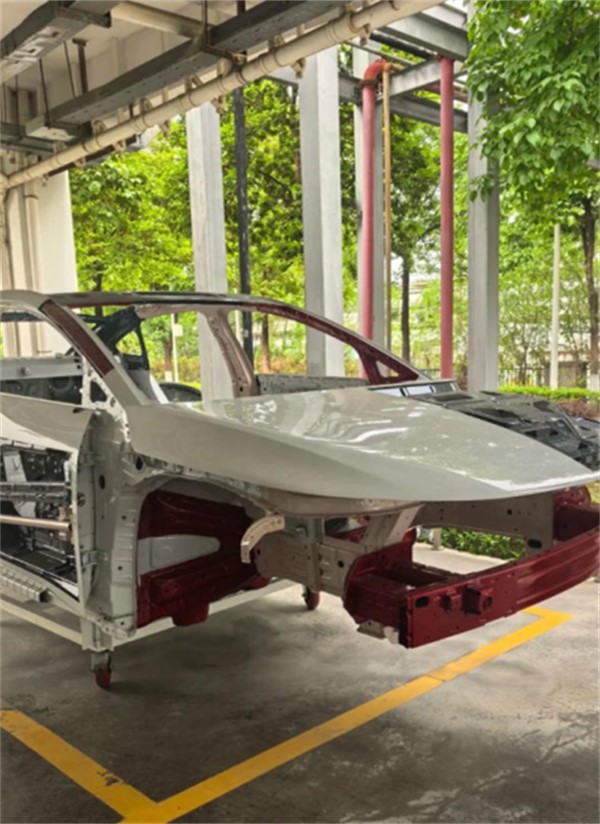
Safety cage in white body: application of thermoformed steel in A-pillar and B-pillar
In order to achieve the dual goals of top-level side impact protection and lightweight, thermoformed steel with tensile strength exceeding 1500MPa is widely used in modern automobiles to manufacture A-pillar, B-pillar and sill beam. After heating, this material is stamped and formed in the mold once and cooled quickly, and finally a complex and extremely strong part is obtained. As a result, a rigid "safety cage" surrounding the occupants is built with a thinner wall thickness, which can resist deformation and intrusion to the maximum extent during collision, and at the same time, it can reduce the weight by about 20% compared with the traditional design, creating conditions for battery layout or improving internal space.
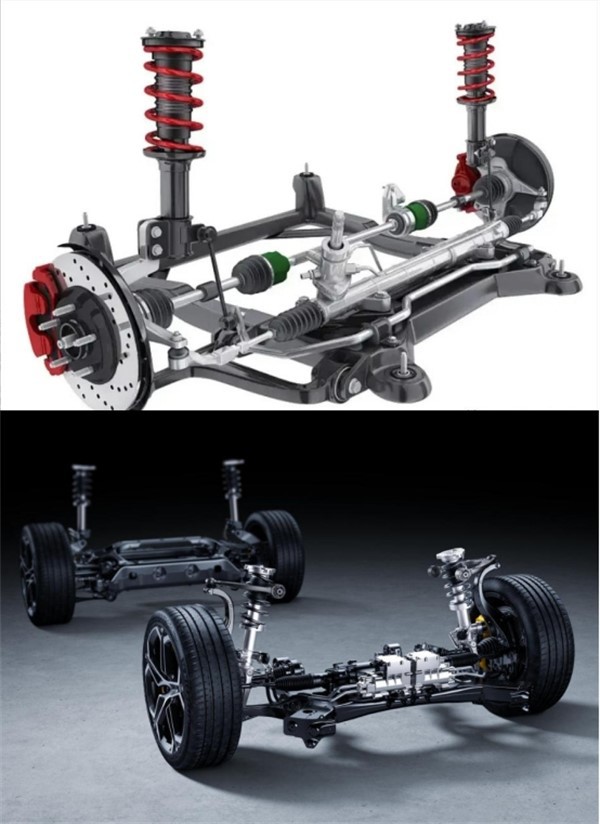
Chassis suspension: the performance of microalloyed high strength steel on the control arm
The handling stability and ride comfort of vehicles greatly depend on the performance of chassis suspension components. For example, the front suspension control arm is usually formed by precision forging of microalloyed high-strength steel. This kind of material refines the grain by trace elements such as niobium and vanadium, which makes it have high strength and excellent fatigue resistance. This enables the control arm to bear the complex alternating impact load from the road surface for tens of millions of times when the vehicle is running, ensuring accurate steering and sensitive response, and ensuring the reliability of long-term use.
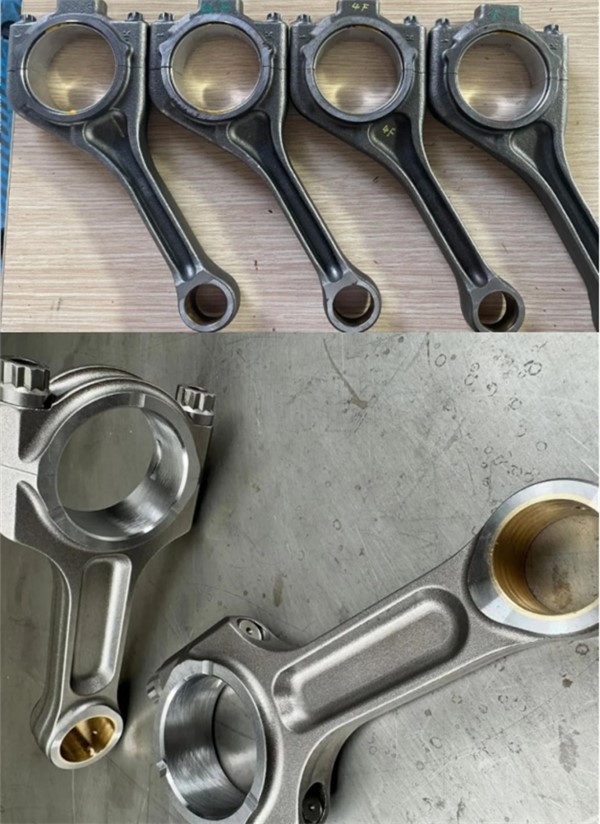
Power core: the role of non-quenched and tempered steel in engine connecting rod
In the harsh environment of high-speed engine operation, the connecting rod needs to bear huge tensile, compressive and bending stresses. The connecting rod made of high-performance non-quenched and tempered steel can obtain the required uniform microstructure and mechanical properties in the cooling process after forging, eliminating the energy-consuming heat treatment and tempering process. This not only improves the material utilization rate, reduces the manufacturing cost, but also avoids heat treatment deformation, ensures extremely high dimensional accuracy and stable fatigue strength, which is the key to improve the efficiency, reliability and durability of the engine.
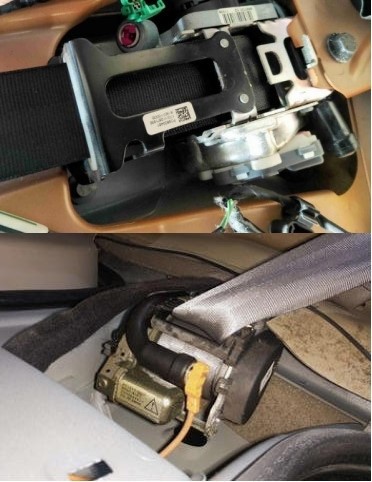
Safety system: the guarantee of high strength steel on the key components of seat belts
The reliability of car seat belts is related to life. Its core components-retractor mandrel and pretensioner piston are usually made of special high-strength or ultra-high-strength steel by precision machining. These components must bear a huge impact load and accurately trigger the locking or pull-back action in milliseconds when the collision occurs. The high strength of the used steel ensures the absolute reliability of the mechanism, while its good machinability ensures the molding consistency of complex precision parts, which is a silent but vital guardian in the passive safety system of passengers.
Introduction
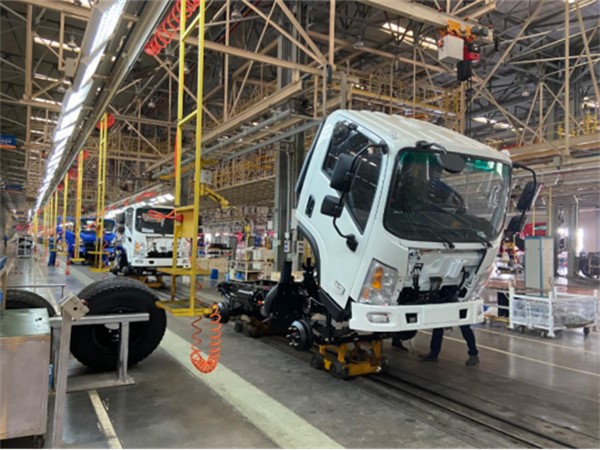
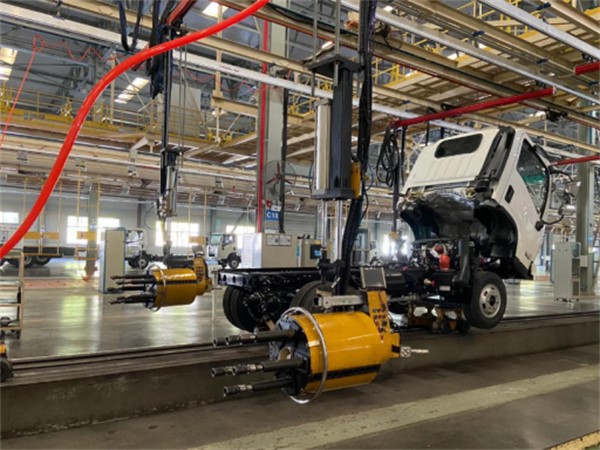
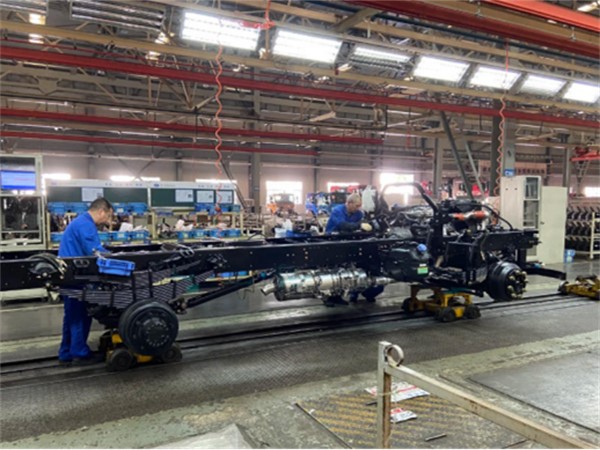
In the field of commercial vehicles and trucks, steel is not only a manufacturing material, but also the core of bearing profitability and operational safety. Every heavy-duty departure, long journey and the challenge of complex working conditions put forward strict requirements for the skeleton, heart and muscles of the vehicle, that is, the frame, powertrain and suspension system, which far exceed those of passenger cars. Our steel solutions are specially designed to meet the ultimate bearing capacity, long service life, adaptability in all working conditions and optimal total cost of ownership, and work with OEMs and modification enterprises to create reliable and efficient transportation tools.
Advantages & Key Features
Ultimate bearing capacity and structural reliability
Commercial vehicle frame, like skeleton system, must resist bending, twisting and vibration fatigue under heavy load. We provide high-strength low-alloy steel and quenched and tempered steel with higher yield strength and excellent toughness reserve through microalloying and precise heat treatment. For example, the steel used for long-distance heavy truck longitudinal beam not only needs to carry dozens of tons of static load, but also needs to digest the dynamic impact brought by rugged road conditions, and its anti-fatigue life directly determines the service life and life-cycle maintenance cost of the frame.
Excellent wear and weather resistance.
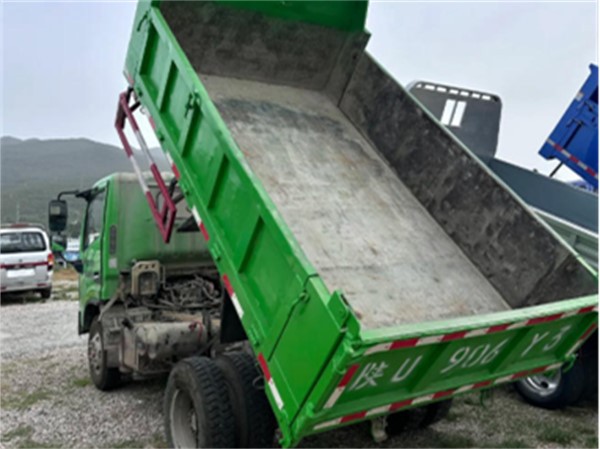
Dump truck containers and construction machinery parts have long been subjected to the erosion and impact of sand and gravel. High-strength wear-resistant steel with Brinell hardness exceeding 400HB is used, which has extremely high surface hardness and can significantly resist abrasive wear, and prolong the wear life of the bottom plate and side plate of the container several times. At the same time, weather-resistant steel is applied to the body or external support of van, and the dense protective rust layer formed on its surface can effectively block atmospheric corrosion and reduce the need for paint maintenance, especially suitable for rainy, coastal or industrial environments.
Lightweight design and direct transformation of economic benefits
Under the total weight limit allowed by laws and regulations, every kilogram of vehicle weight is reduced, which means that one kilogram of goods can be loaded. By applying the scheme of high strength and thin steel, for example, using 700MPa grade high strength steel to manufacture the side plates and columns of truck compartments, significant weight loss can be achieved on the premise of ensuring rigidity. For fleet operators, the lightweight of this material directly translates into higher single-trip cargo capacity and lower fuel consumption, which is one of the most direct technical paths to reduce costs and increase efficiency.
Excellent processing and process adaptability
The production of commercial vehicles often involves small batch and multi-specification customized modification. Our steel has good cold forming and welding performance, which enables the refitting plant to cut, bend and connect efficiently, and is used to manufacture refrigerated carriages, special superstructure or tank bodies of oil tankers. The stability of material properties ensures the consistency of final products in different batches and under different processing conditions, and meets flexible and diverse market demands.
Typical Applications
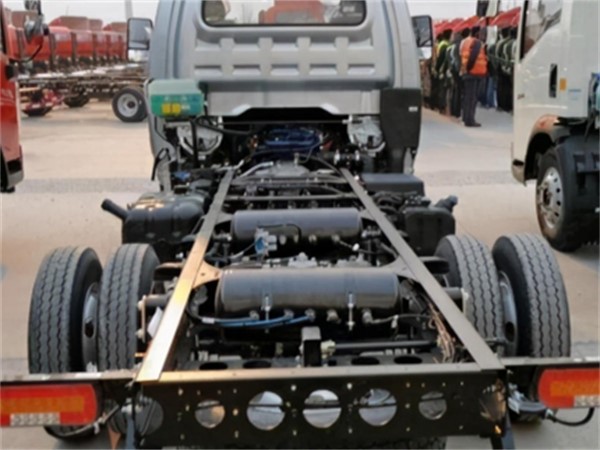
1.Longitudinal beam of heavy truck frame: high-strength quenched and tempered steel plate is used to form the "main backbone" of the vehicle through high-precision bending and riveting/welding. It must have a very high fatigue limit while bearing the full-load bending-torsion combined stress, so as to ensure that the structure is not damaged in the life cycle of more than 3 million kilometers.
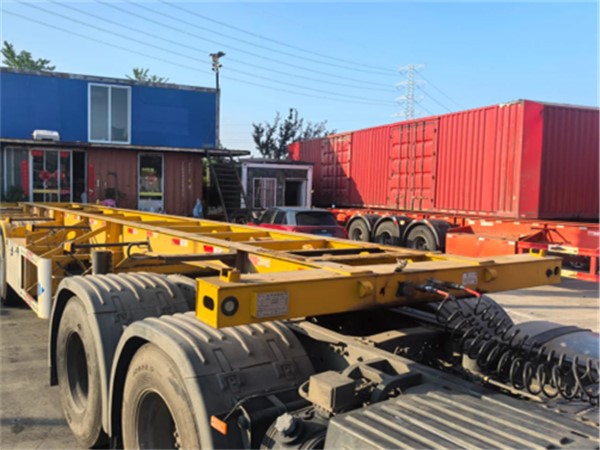
2.Hydraulic tipping mechanism and container of dump truck: the high-strength plate of lifting system needs to withstand huge instantaneous pressure; The container is made of wear-resistant steel, facing the continuous impact and wear of sandstone and coal, and reducing the replacement outage time with a long service life.
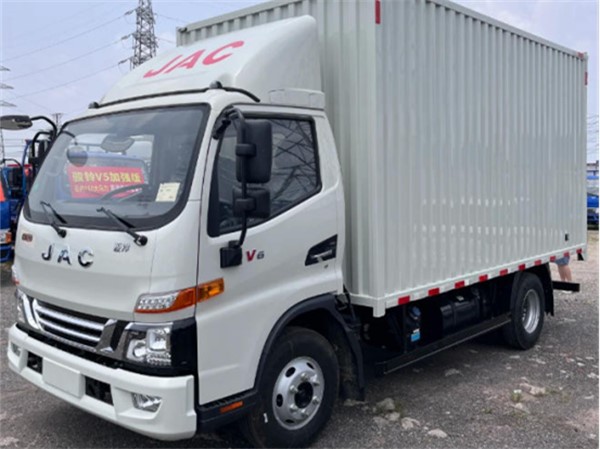
3.Light truck and van body frame: high-strength cold-formed steel and roller beam
constitute a lightweight and high-rigidity body frame. They control the weight above the chassis to the maximum extent while ensuring the strength and tightness of the compartment, which is the key to improve the efficiency of urban logistics.
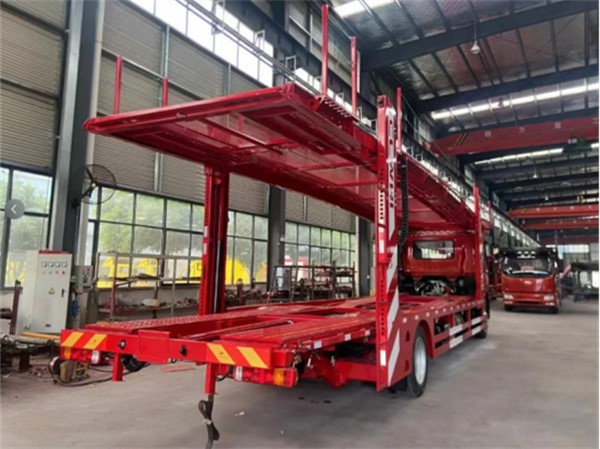
4.Bus Chassis and Safety Structure: On buses and buses, high-strength steel pipes and profiles are used to make solid rollover protective frames (ROPS) and body collision beams, providing the highest level of safety guarantee for public travel.